LSOH

OVERVIEW

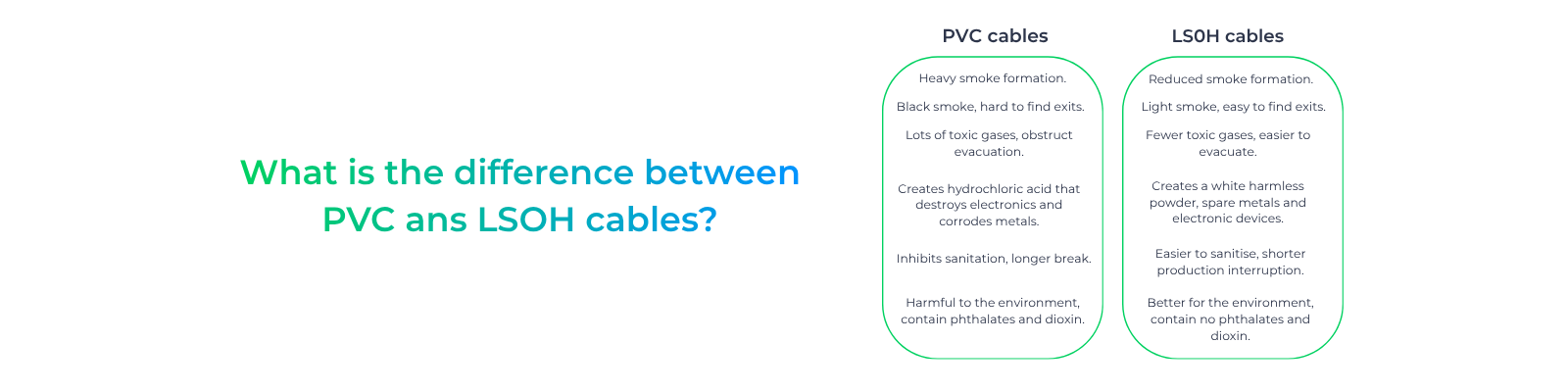
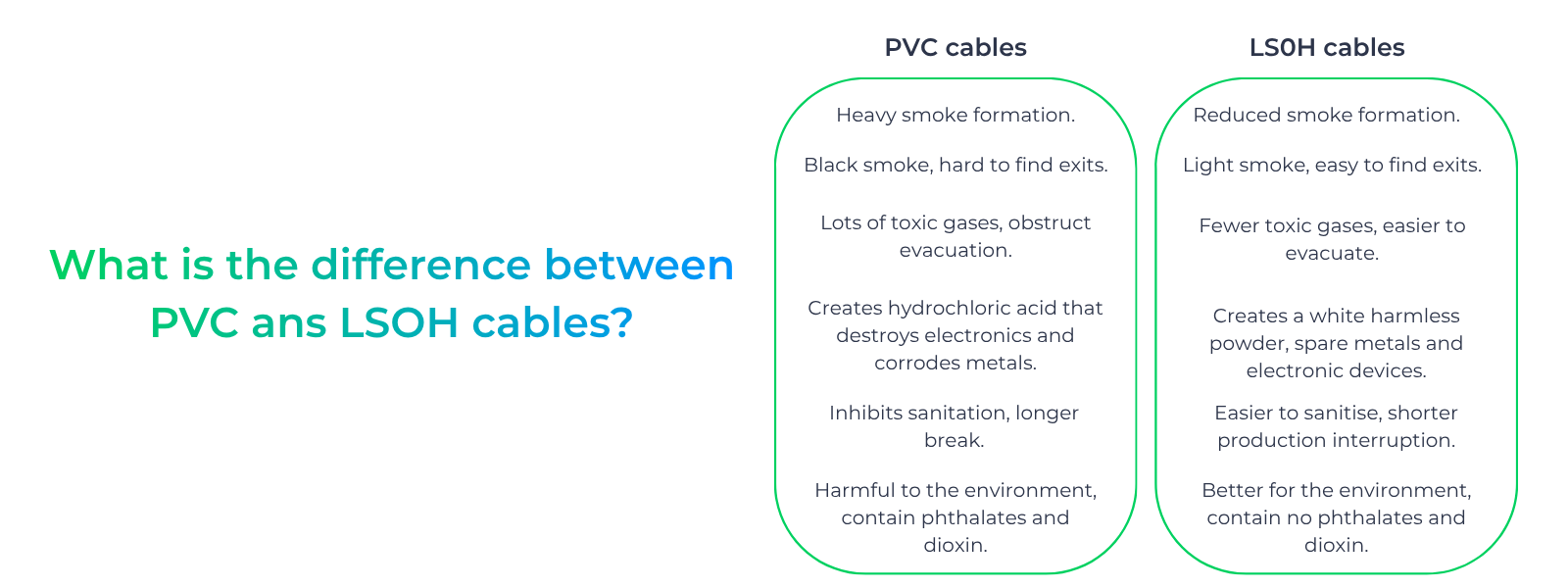
LS0H cables deliver a higher standard of safety for modern infrastructure. Designed to minimise smoke and eliminate halogens, they protect people and equipment during fire events while maintaining strong electrical performance. Ideal for commercial buildings, transport hubs and industrial environments, LS0H solutions support compliance, reduce risk and ensure long‑term reliability.

Fire Safety Matters

Every year, millions of fires break out across Europe — and most of them start inside buildings. 


Electrical faults are the second most common cause, often hidden behind walls, ceilings, and cable routes. 

When a fire erupts, the type of cable installed can determine how fast flames spread, how much smoke is released, and how much time people have to escape.

High‑quality, low‑smoke, zero-halogen cables aren’t just a technical choice — they’re a life‑saving one.

HDHp 450/750V B2ca

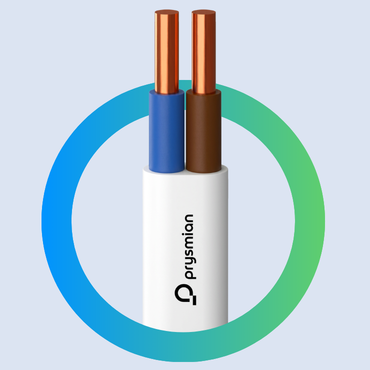
Flat LS0H power cable for low‑voltage installations. Designed and manufactured with a focus on fire safety and long‑term reliability. It protects people, equipment, and buildings wherever every second matters.

Helping our customers stay compliant

On 1 July 2017, CPR (Construction Product Regulation) became mandatory throughout the EU. This regulation defines the rules and requirements of construction products to be manufactured, distributed or installed cables included.


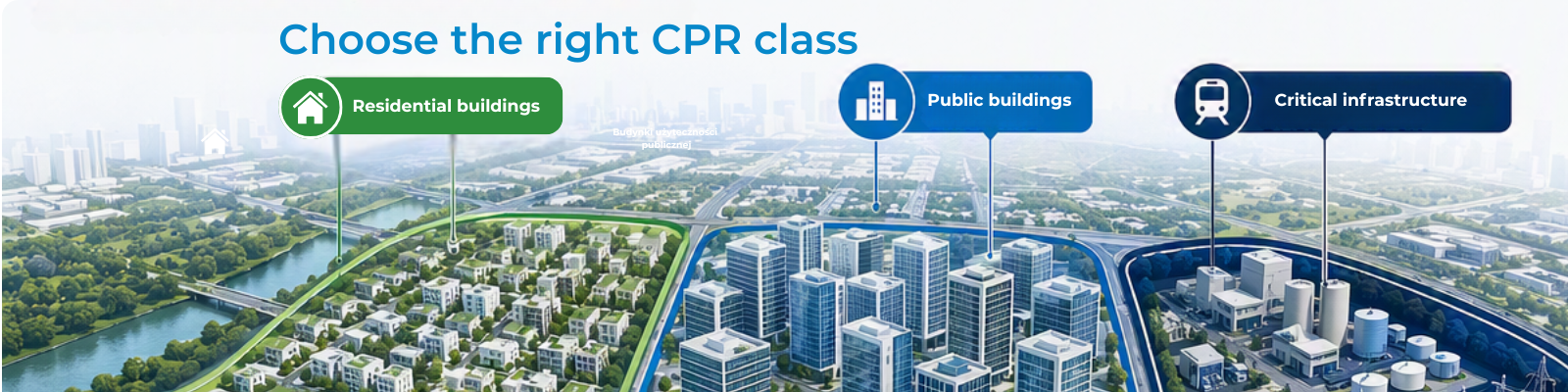
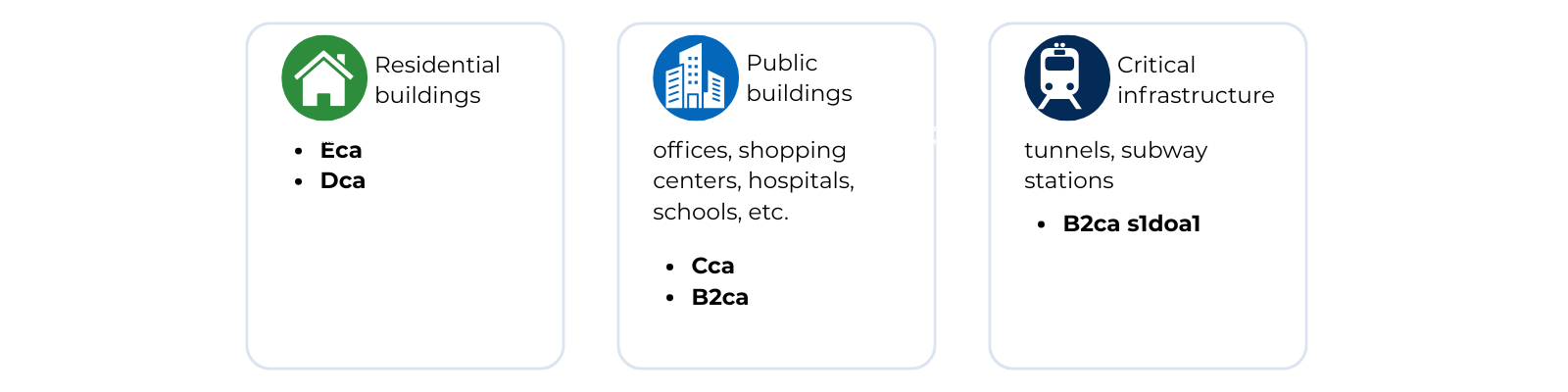
In the event of a fire in crowded spaces such as airports, hospitals, municipal buildings, schools, or skyscrapers it is crucial to have low toxic gas and smoke emission cables to facilitate the evacuation process.

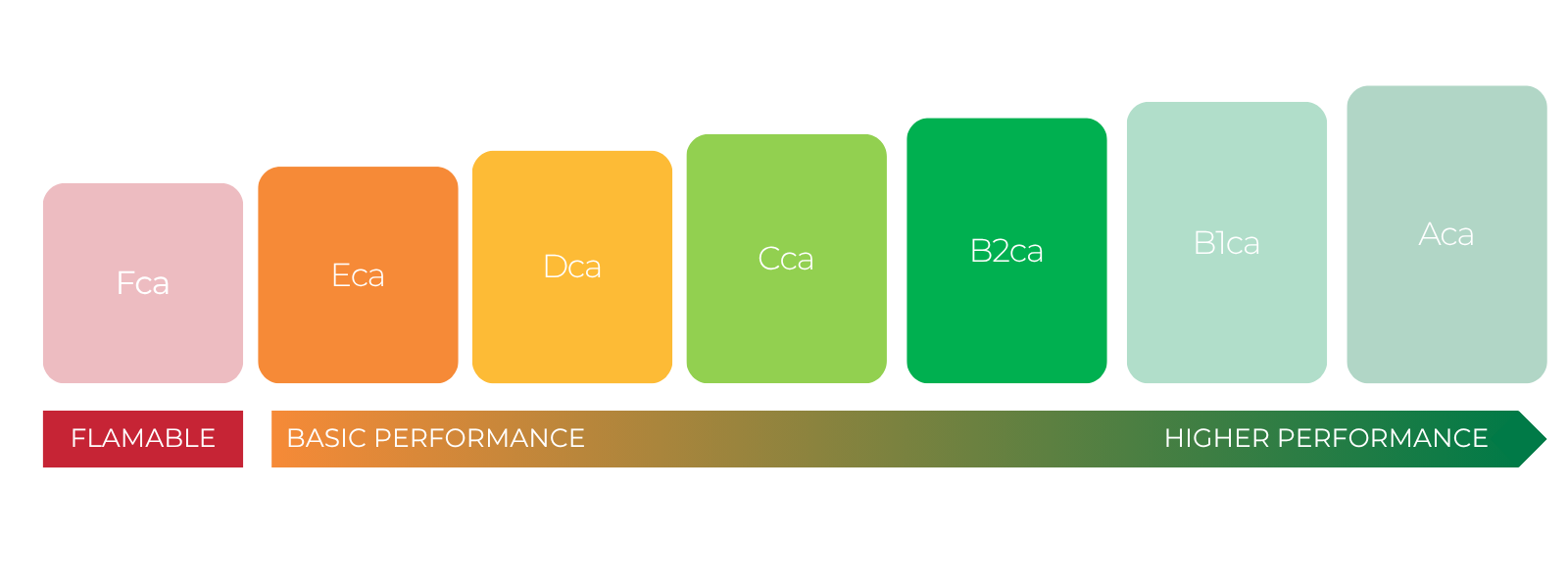
Cables designed for fixed installation in residential and commercial buildings are subject to the Construction Products Regulation (CPR), regulated by EN 50575. For the reaction to fire of cables the CPR directive has identified seven different performance classes, where heat release and flame propagation are the main classification criteria. Class Aca defines non-flammable (non-reactive) cables, while class Fca contains cables that do not meet the requirements of class Eca (i.e. of indeterminate performance). In addition to heat release and flame propagation there are three additional classifications that apply to classes Dca, Cca, B2ca and B1ca: smoke emissions, flame droplets and acidity.


Did you know that 90 % of fires start inside buildings?